

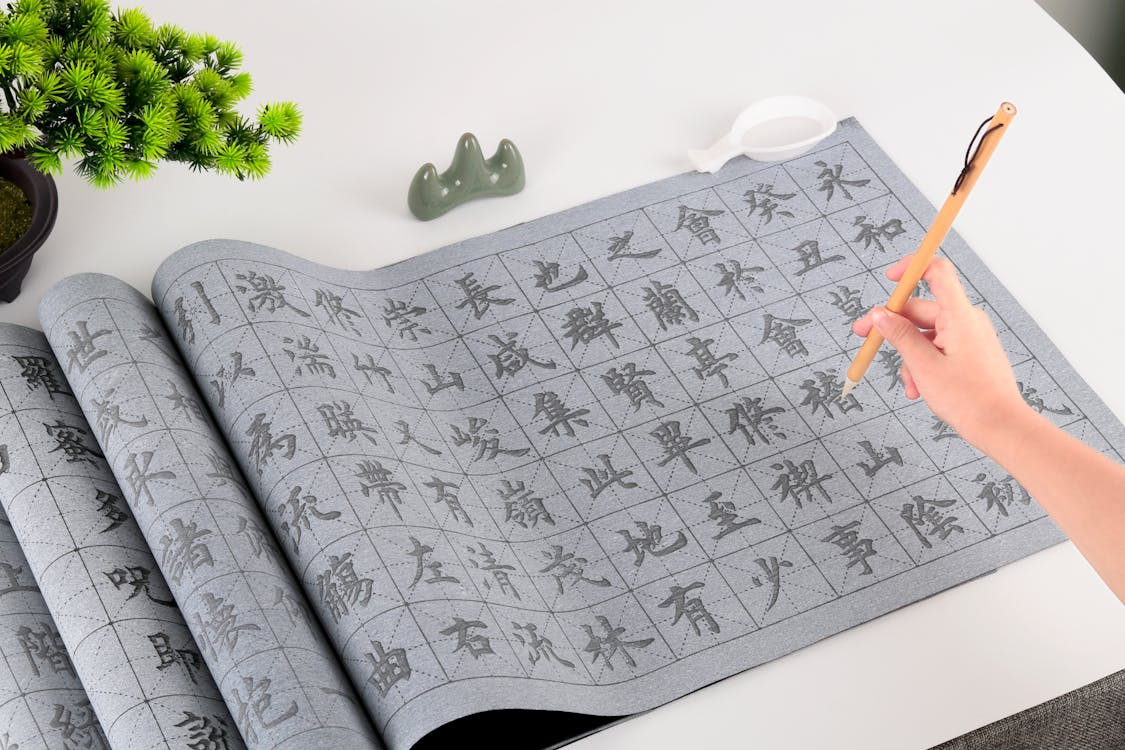
When most people think of dyslexia, they often picture a child struggling to read English words or mixing up letters.
While there is some truth to that, dyslexia is actually a learning disorder that makes it harder to comprehend reading or language-related activities.
However, did you know that dyslexia doesn’t look the same in every language?
According to a study published in 2008, dyslexia works differently when it comes to languages that use alphabetical vs non-alphabetical writing systems.
This means that dyslexia in Chinese is not identical to dyslexia in English because of the way each language is written and spoken.
For parents and guardians, understanding this difference can significantly impact how you are able to support your child’s learning journey.
After all, what works for English learners might not work for Chinese learners.
Want to know more? Keep reading to find out what makes Chinese dyslexia unique and why it is not the same as English dyslexia.
5 Key Ways Dyslexia Presents Differently in Chinese
1. The role of sound in learning to read
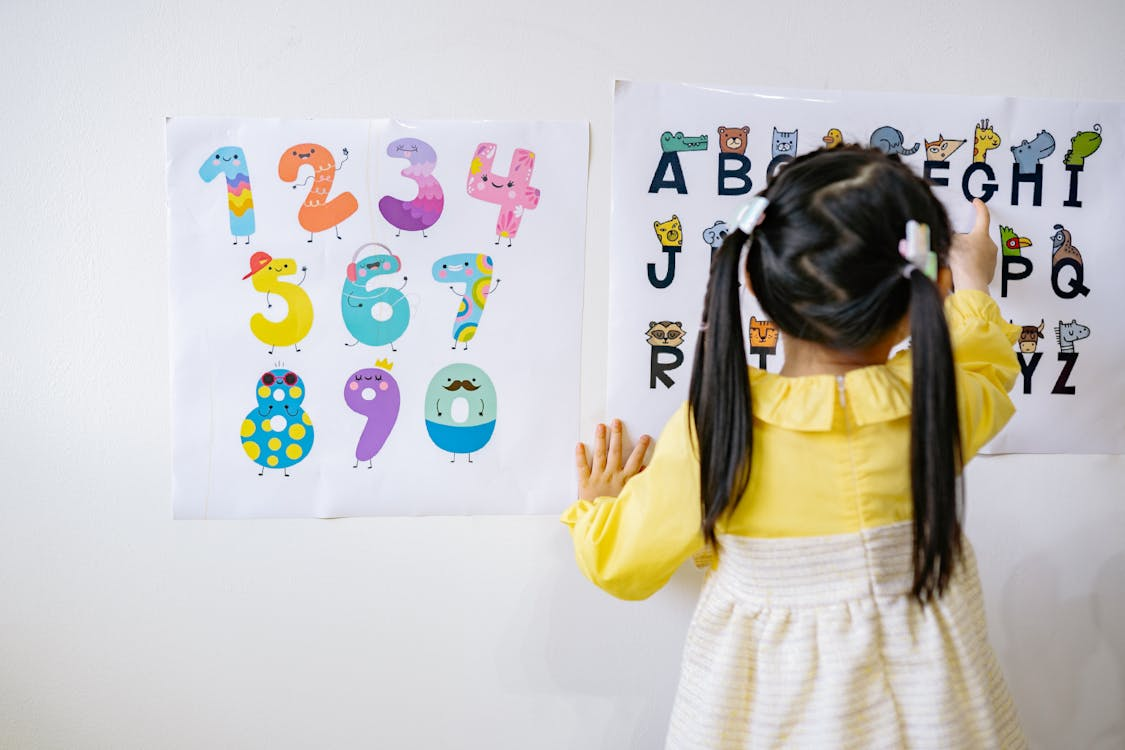
In English, learning to read begins with connecting letters to sounds.
Each letter or group of letters represents a specific sound, and children must work out these sounds to form words.
When a child with dyslexia struggles, it often means their brain has trouble accurately linking these sounds.
For instance, distinguishing between “b” and “p,” or recognising that “cat” and “cap” sound similar except for the final sound.
Chinese, however, works very differently.
It’s not an alphabetic language but a logographic one. Simply put, each written symbol, or character, represents a whole word or a meaningful unit rather than a single sound.
For example, the character “木” means “tree,” and “林” (two trees) means “forest.” This illustrates how meaning is created visually rather than being represented by sound.
Although Chinese children learn the sounds of words through pinyin—a Romanized system with phonetic rules distinct from English—reading Chinese depends far more on memory and visual recognition
Students with dyslexia often struggle to remember and retain Chinese characters, as the writing system relies heavily on visual memory. Each sound is mapped to a character, yet a single sound can correspond to multiple different characters, requiring learners to distinguish subtle differences among complex symbols.
2. The visual complexity of Chinese characters
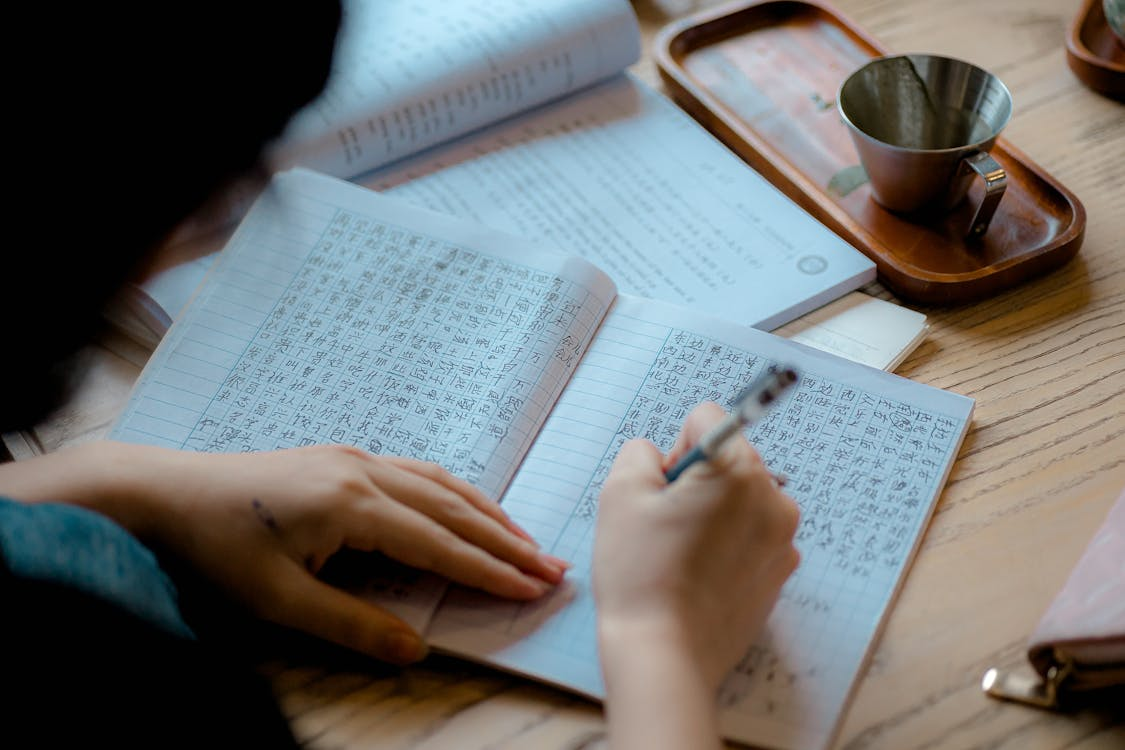
Chinese is composed of thousands of characters, each made up of different strokes and radicals (smaller components that provide clues to pronunciation or meaning).
Unlike English words, where spelling patterns can be sounded out, Chinese characters often need to be memorised. A single misplaced stroke can change the entire meaning of a word.
For example, “休” means “rest,” while “体” means “body”. They both share a similar structure but are different in one component.
For children with dyslexia, remembering these subtle visual distinctions can be overwhelming.
This complexity requires strong visual and spatial working memory, something not as critical for reading English.
A child with dyslexia in Chinese may exhibit symptoms such as:
- Confusing similar-looking characters
- Forgetting how to write common words
- Being unable to recall a character, even if they understand its meaning
Because the Chinese writing system relies more on visual recognition, students with dyslexia in Chinese should focus on strengthening visual memory and character recognition.
Seeking tuition that accommodates special needs? Consider enrolling in Dyslexia Tutoring at MandarinStars Learning Centre!
3. The role of meaning and memory in reading Chinese

Another key distinction between the two languages lies in how meaning is stored and recalled:
- English readers rely on sequences of letters to identify words
- Chinese readers rely on recognising patterns and radicals that carry meaning
Many Chinese characters are semantic-phonetic compounds, meaning that one part indicates the sound and another part indicates the meaning.
For example, in the character “河” (river), the left part “氵” indicates something related to water, while the right part “可” gives a clue about its pronunciation.
However, these clues are not always consistent, and sometimes the sound components don’t match at all.
This irregularity can make it especially challenging for dyslexic learners to predict how a word sounds or what it means just by looking at it.
As such, they must rely heavily on repeated memorisation instead of deep understanding, but this can be difficult for children with memory-related learning differences.
In this way, Chinese dyslexia often manifests as a memory issue rather than a purely linguistic one.
Children may be able to speak perfectly but still fail to recognise or reproduce their written form accurately.
4. How bilingual children experience dyslexia differently

For children growing up bilingual in both Chinese and English, dyslexia can appear differently depending on the language.
A child might struggle with English reading more due to the difficulty in connecting sounds to letters, yet perform better in Chinese reading since the focus is more visual.
Similarly, another child might remember English words more easily but struggle to recall Chinese characters.
This can happen because each language activates different skills.
English requires strong phonological skills, while Chinese depends more on visual and memory abilities.
For parents and guardians, it’s important not to assume that a reading difficulty in one language will automatically appear in another.
Having dyslexia doesn’t always mean having difficulty in both languages; it simply reflects how the brain processes the unique challenges of each one.
5. Supporting children with Chinese dyslexia

Understanding the unique nature of Chinese dyslexia allows parents and teachers to provide more effective support.
Unlike English dyslexia interventions, which focus on phonics and sound awareness, strategies for Chinese learners should emphasise visual and spatial learning.
Children can benefit from activities that strengthen their recognition of characters and radicals. For instance:
- Breaking characters down into components
- Tracing characters in sand
- Using flashcards
- Associating meanings with stories and pictures
While repetition is key, it must first and foremost be engaging!
Here are some fun activities you can try with your child:
- Encourage children to read short illustrated stories
- Label household items with characters
- Use educational apps that combine sound and visuals
You should avoid comparing your child’s reading pace to their peers, as progress in learning Chinese characters often takes time, even for typically developing learners.
Besides that, early identification is essential.
If you notice persistent struggles in recognising or recalling characters, you should seek an assessment from a qualified professional.
Early support can significantly improve your child’s confidence and reading fluency over time.
Embracing different paths to learning

Dyslexia does not define a child’s intelligence or potential.
Whether in Chinese or English, it simply reflects a different way of processing language.
For children learning Chinese, this means that success might come through factors such as:
- Visual creativity
- Pattern recognition
- Strong memory for meanings
As parents or guardians, you can play a crucial role by fostering patience, curiosity, and self-confidence.
By understanding that dyslexia manifests differently across languages, families can create supportive environments that celebrate even the smallest of progress.
In Singapore, many children grow up speaking multiple languages. So, it is all the more important to recognise that not all languages are processed the same way.
Learn at MandarinStars for Dyslexia-Informed Education!
Not sure where to begin in your child’s learning journey? This is where we come in!
At MandarinStars, we provide tuition for students with a variety of learning disorders, such as attention-deficit and hyperactivity disorder (ADHD), autism spectrum disorder (ASD), as well as dyslexia.
What makes us different is our dedication to addressing the many learning challenges and customising the materials based on the students’ needs.
With the right help, your child with dyslexia can flourish in the classroom!
If you’re curious to learn more, check out our article on A Singapore Parent’s Guide to Early Interventions for Dyslexia and Learning!

