


Learning to read is a big and exciting step for your child. But what happens when it doesn’t quite click?
Maybe your child hesitates over simple words, flips or mixes up letters, or even avoids reading time altogether.
These can be early signs of dyslexia, which are more common than many parents realise. Spotting them early allows you to better support your child’s learning journey.
In this guide, we’ll walk you through what dyslexia really is, what to look out for, the different types of this learning difficulty, and why early detection can be life-changing for the kids.
If you’re a parent or teacher working with preschool or primary school children, this article is designed to give you clarity, confidence, and reassurance as you support them.
What Is Dyslexia?
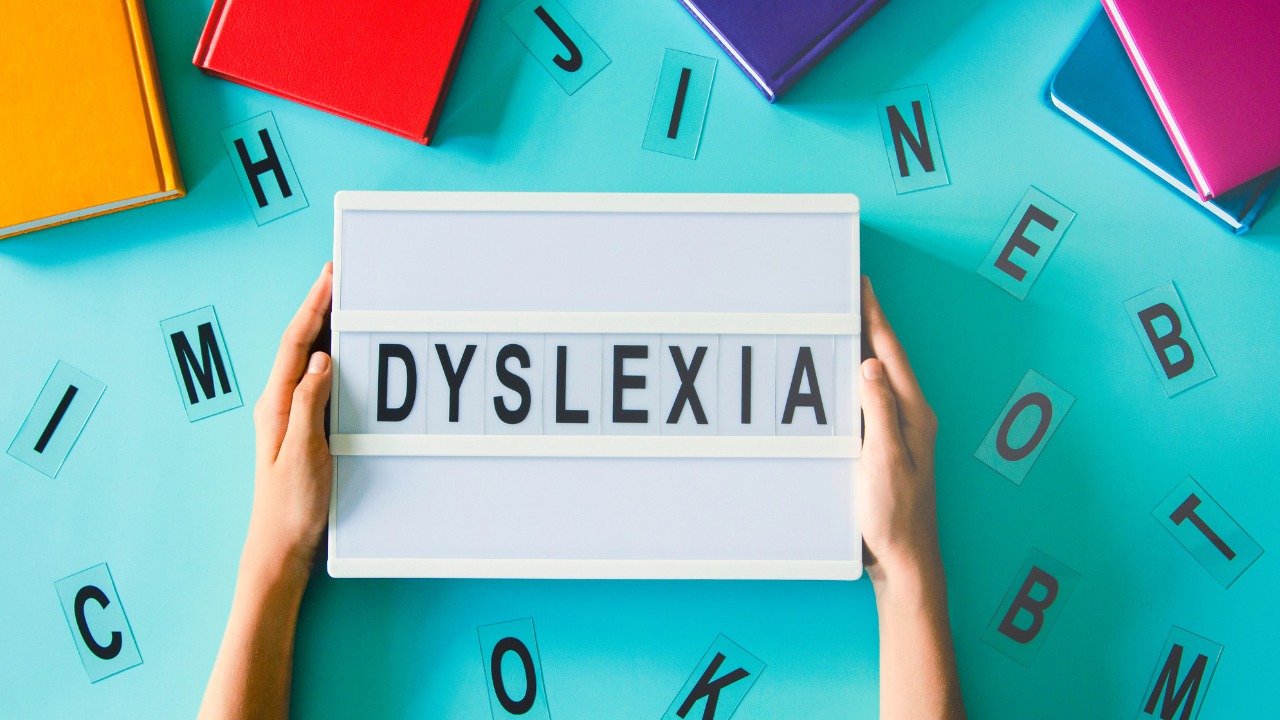
Dyslexia is a learning disability that primarily affects the skills involved in reading, spelling, and writing.
It is also considered a learning disorder because it affects how the brain processes speech sounds and links them to written letters and words. This results in difficulties with reading, writing, spelling, sequencing, and sometimes speech development.
Dyslexia shows up differently in each person, but one of its most common features is difficulty with decoding—the process of turning written letters into spoken sounds.
For many, reading feels slow, laborious and effortful because the link between letters and sounds isn’t automatic. Instead of recognizing words quickly, readers may rely on guessing from context, which makes reading tiring and can reduce comprehension.
Hand in hand with decoding is phonological awareness, the ability to hear and manipulate the sound structures of language.
This skill is essential for literacy, yet individuals with dyslexia often struggle to break words into sounds, blend them together, or notice rhymes and syllable patterns.
Without a strong grasp of these building blocks, spelling and fluent reading remain challenging. Hence, many students with dyslexia also have spelling and writing difficulties.
It is important to remember that dyslexia has nothing to do with low intelligence or a lack of effort.
In fact, people with dyslexia often have average to above-average intelligence, and often shine in areas such as problem-solving, creativity, and spatial awareness.
Since symptoms of dyslexia can vary widely and some signs may show up as early as preschool, knowing what to look out for is the first step in supporting your child’s learning journey.
What Are the Early Signs of Dyslexia?
Dyslexia can look different depending on your child’s age, language exposure, and even their personality. But there are common signs of dyslexia to look out for, especially in the crucial years of K1 to Primary 3.
In kindergarten (ages 4–6)

At this stage, the brain is rapidly developing literacy and language skills. If your child is consistently behind in some areas, it may be more than just a slow start.
Signs include:
- Struggling to learn the alphabet or remember letter names
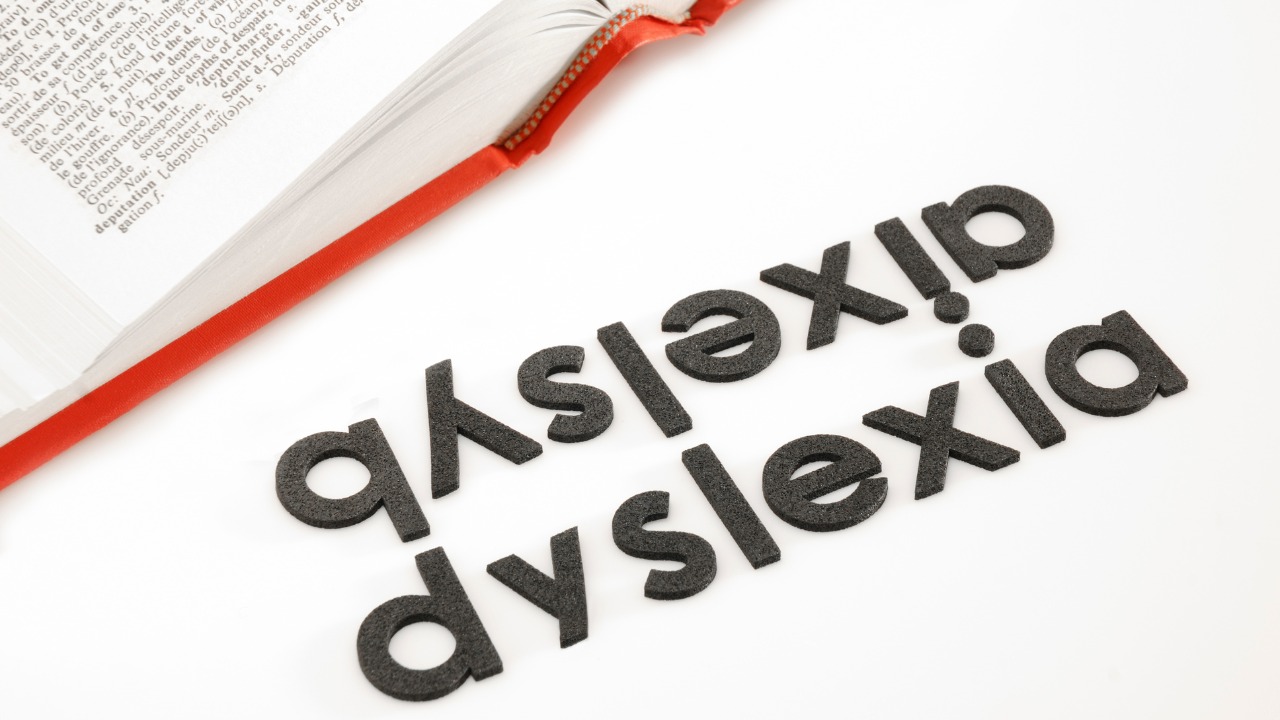
- Confusing letters like p and q, or b and d
- Difficulty with rhyming words and clapping syllables
- Trouble recognising their name or familiar words in print
- Delayed speech development or unclear pronunciation
- Avoiding reading activities or showing frustration during story time
In lower primary (ages 7–9)

Once formal schooling begins, dyslexia symptoms often become more obvious. Children with dyslexia may fall behind peers in reading ability, despite showing intelligence in other areas.
Signs include:
- Reading difficulties: slow, hesitant reading or skipping words
- Frequent spelling errors, even with simple, high-frequency words
- Writing letters backwards (e.g. confusing p with q)
- Difficulty following multi-step instructions
- Avoidance of reading and writing tasks in English or Chinese
- Lack of interest or confidence in schoolwork
If your child consistently shows several of these features, it may be time to explore screening for dyslexia.
Not sure how dyslexia affects your child’s Chinese learning? You might find our related article helpful:
Dyslexia in Chinese: Why It’s Not the Same as English Dyslexia
Why Early Detection Is So Important

In Singapore, children are expected to learn to read and write in two languages before they begin Primary 1.
Learning difficulties like dyslexia can be particularly challenging when they do not have the basic reading and writing skills — but they don’t have to define your child’s experience.
Here’s how early identification can benefit your child:
- Timely support before academic gaps widen as demands increase at every grade level
- Better access to learning accommodations in school
- Reduced stress and anxiety
- Stronger reading and writing skills over time
With growing awareness, more schools in Singapore are now equipped with support systems such as Allied Educators (Learning & Behavioural Support), School based Dyslexia Remediation Programs. But even with these resources, early detection often starts with parents and teachers who first notice the signs of struggle.
If your child is consistently frustrated with language-based tasks, it’s time to trust your instincts and explore further!
4 Ways to Support A Child With Dyslexia

Supporting a child with dyslexia goes beyond classroom learning. It involves patience, understanding, and the right tools at home and school.
1. Don’t wait for a diagnosis
Dyslexia may not always be formally diagnosed immediately. But early intervention doesn’t need to wait.
- Use multi-sensory activities to reinforce sounds and letters
- Incorporate touch, visuals, and movement in learning
- Focus on engagement, not perfection
2. Be patient and encouraging
Children with dyslexia may feel embarrassed or left behind. Your encouragement makes all the difference!
- Celebrate progress, no matter how small
- Avoid criticism or pressure
- Encourage reading for fun, not just homework
3. Adapt your teaching or parenting approach
Children with dyslexia have unique learning styles.
- Use coloured overlays or larger fonts
- Break down each step of the activity into smaller, manageable tasks
- Allow extra time for reading and writing activities
4. Get professional support
Whether you seek the help of a teacher, psychologist, or specialised tuition centre, you will be better equipped in handling the needs of your child with the right support.
- Explore dyslexia-friendly classes in English and Chinese
- Ask for classroom accommodations if needed
- Look for educators trained in special needs and learning disorders
Help Your Child Grow With Confidence and Support with MandarinStars

Identifying and understanding dyslexia in children early shifts the focus from “what’s wrong” to “what’s possible.”
With the right help, children with dyslexia can learn to read, write, and thrive academically.
As a parent or teacher, your awareness and actions can reduce stress, build confidence, and provide a foundation for success — not just in school, but in life.
Every child with dyslexia deserves an education tailored to their strengths.
MandarinStars offers the Dyslexia Tutoring and Special Needs Chinese Tuition Singapore programme that is specially designed for children with learning difficulties, such as, dyslexia and ADHD.
What you get for enroling your child in MandarinStars:
- Multi-sensory, structured teaching methods that support how children with dyslexia learn
- Patient and experienced educators trained to work with diverse learning needs
- Personalised lesson pacing, so children progress with confidence, not pressure
- Support for Primary 1 to Primary 6, aligned with school expectations
- A nurturing learning environment that builds both skills and self-belief
Whether your child is in Primary 1 or Primary 6, our support ensures that your child progresses not just in Chinese, but also in their confidence and willingness to learn!

