



Supporting someone with dyslexia begins with recognising that reading is not simply about looking at words on a page.
It involves a complex series of processes in the brain, from identifying letters to connecting sounds, meaning, and context.
For people with dyslexia, this process can feel overwhelming, unpredictable, and full of difficulty.
When a child or adult struggles with their reading ability, the experience can affect confidence, motivation, and the desire to learn.
That being said, there are many ways to make the journey smoother, more empowering, and less frustrating.
Here are 12 useful insights to help individuals, especially kids beginning their reading journey, understand how to gain reading skills more easily!
1. Understanding the Processing Differences in the Brain

Dyslexia is often described as a learning disorder, but that phrase does not capture the full picture.
At its core, dyslexia reflects differences in the way the brain processes text, letters, and sound patterns.
A person with dyslexia may require more time to decode a word because the neural pathways that support reading develop differently.
However, this does not imply any lack of ability; it simply means the brain operates in a unique and sometimes creative way.
Recognising this fact early helps remove the stigma attached to reading difficulty.
For instance, did you know that Tom Cruise is dyslexic himself?
When individuals understand that their experience is shaped by processing differences rather than shortcomings, they are more likely to approach reading with confidence rather than anxiety.
2. Recognising Early Indicators in Kids That Have Dyslexia
Kids often show signs of dyslexia long before they begin formal reading lessons, so be sure to pay them extra attention!
To give a crude example, your child may frequently mistake the letters ‘b’ and ‘d’ with one another when reading.
Beyond that, there are several key early indicators of dyslexia in children:
- Difficulty remembering nursery rhymes
- Struggling to identify similar-sounding words
- Mixing up letters frequently
- Delayed speech development
While these signs do not guarantee a diagnosis, they highlight moments where you may be able to offer additional support.
Observing these early behaviours helps adults understand that reading challenges are not caused by a lack of effort. Instead, there are structural factors in the brain contributing to the difficulty.
Ultimately, identifying the signs early allows for adjustments before negative experiences begin to shape a child’s self-esteem.
3. Breaking Down Words into Manageable Parts
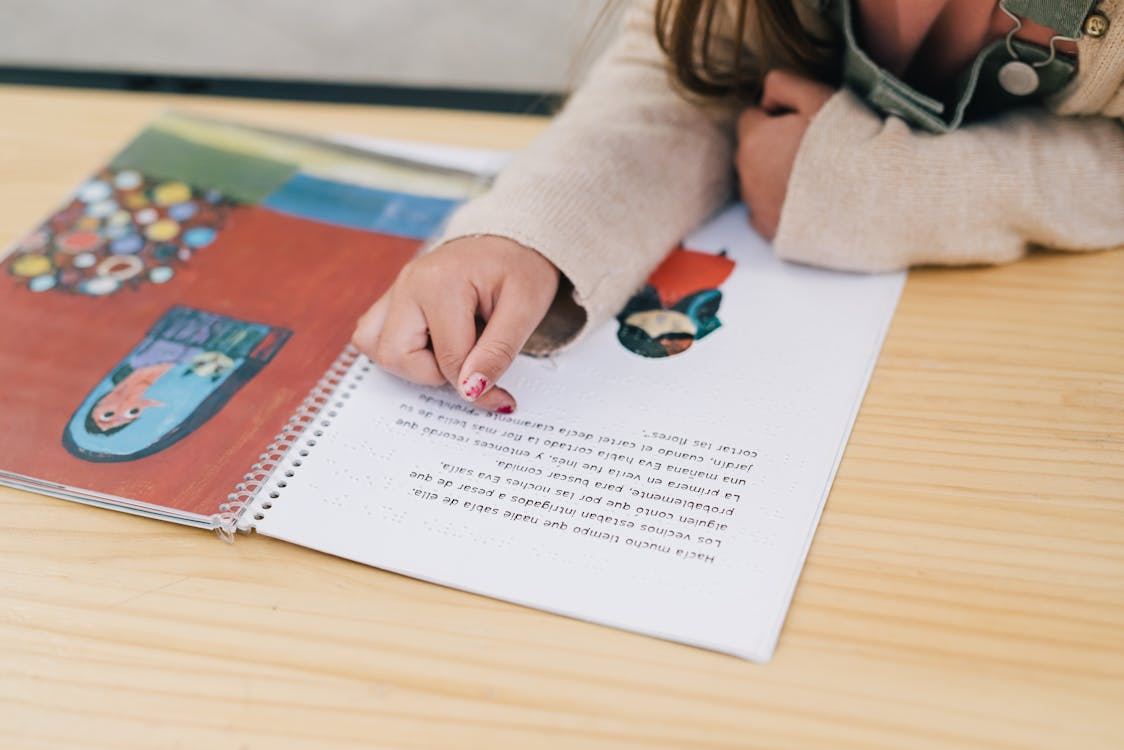
One of the most effective ways to help people with dyslexia learn to read is to break words into smaller, more manageable units.
Instead of memorising the entire form of a word, individuals benefit from focusing on phonemes, blends, and patterns.
This process reduces cognitive load, allowing the brain to process information step by step. For many, this transforms reading from an overwhelming experience into one that feels achievable.
It also supports long-term retention, as the reader begins to see recurring patterns rather than isolated symbols.
On that note, dyslexia for Chinese can be different to the English language. Read our article on Dyslexia in Chinese to learn more about why they are not the same!
4. Repetition Without Pressure
To read confidently, people who have dyslexia often require a lot of repeated exposure to the same letters, word patterns, and sentences.
Repetition is not a sign of falling behind—think of it as an essential tool for brain reinforcement!
However, repetition alone is not enough. It must be done without pressure.
Stress, frustration, and anxiety hinder learning efficiency, whereas a relaxed state combined with repetition strengthens neural connections and fosters steady improvement.
When reading practice prioritises patience and encouragement rather than speed, both children and adults are far more likely to stay engaged and make meaningful progress.
5. Using Multi-Sensory Reading Techniques
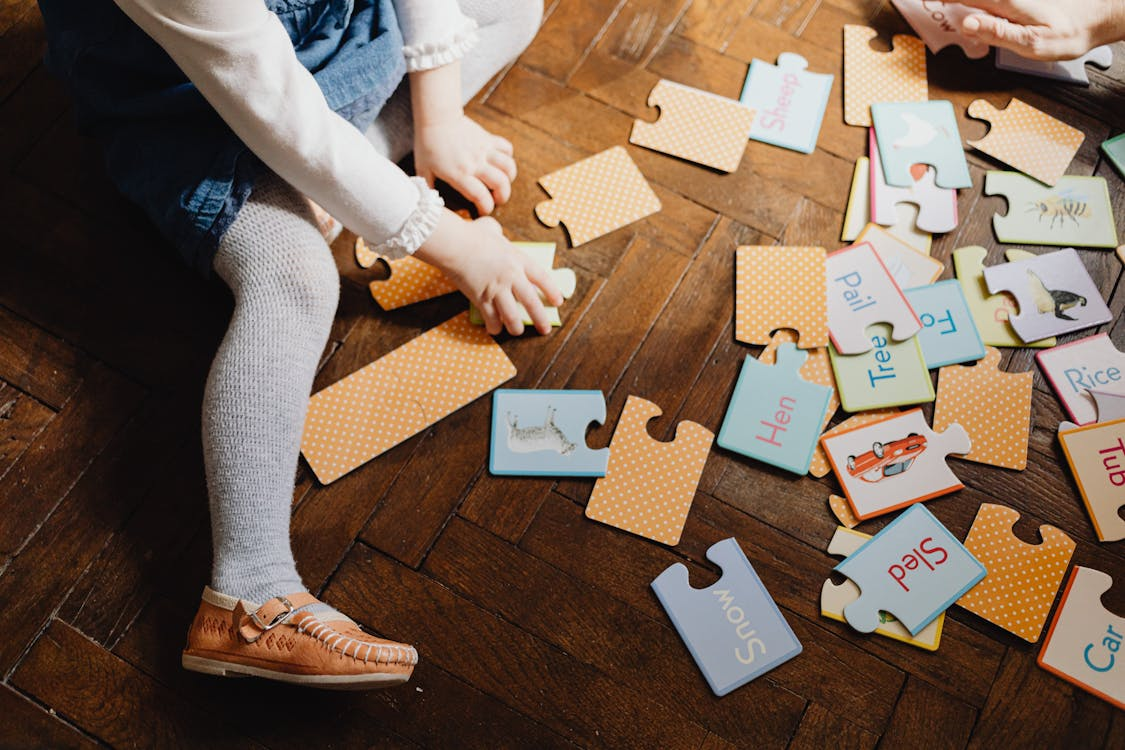
Although there is no set technique, people with dyslexia often benefit from multi-sensory methods that use more than one part of the brain at once.
Instead of relying solely on visual recognition, you can explore other approaches such as:
- Auditory cues
- Tactile experiences
- Movement
More specifically, activities such as using pictures to aid understanding, tracing letters in sand, working with textured cards, or speaking a word aloud while writing it help reinforce the links between sound, shape, and meaning.
When multiple senses are involved, the brain receives stronger cues, making it easier to remember a pattern or decode a piece of text.
Even if your child is not dyslexic, these methods are great for building language skills in early education!
6. Removing Environmental Distractions
Reading requires focus, and for individuals with dyslexia, distractions make the process even harder.
Noise, clutter, flickering lights, or too much movement in the background can pull a child’s attention away from the words on the page.
Because of this, you should consider creating a calm, stable environment to help reduce cognitive overload.
This does not necessarily mean having a separate room; even small changes like a quieter corner, less visual clutter, or a comfortable seat can make all the difference.
When the environment supports concentration, the brain will have more energy to process the letters and words in front of it.
7. Slow Down the Pace

Many people assume fluent reading means reading fast, but that belief can actually cause unnecessary stress.
With a condition such as dyslexia, reading slowly allows the brain to process each word fully without rushing.
A slow and thoughtful pace encourages accuracy, which eventually supports fluency.
Kids in particular benefit from reassurance that taking their time is not only acceptable but necessary.
When your child is encouraged to read at a speed that suits them, they begin to build confidence, which strengthens their willingness to practise in the long run!
8. Use Large Text and Clear Spacing
Small text, compressed paragraphs, and dense pages create a lot of visual stress. This is especially so for people with dyslexia.
Adjusting the layout is one of the simplest yet most effective ways to make reading more comfortable. Enlarging the text, increasing spacing, or using shorter lines can immediately reduce visual strain and improve readability.
When the eyes can move across text without feeling overwhelmed, tracking from one word to the next becomes easier.
Wider spacing also reduces the risk of letters appearing to blur, shift, or distort, as some individuals experience visual movement when reading.
Helping your child experience small successes early on builds confidence — and that confidence makes sustained improvement far more likely.
9. Making Reading Meaningful

People learn best when the material resonates with their interests.
Kids, especially, engage more deeply when they feel connected to the story or topic.
Choosing reading material aligned with personal curiosity helps counter the frustration that sometimes comes with decoding text.
When the purpose of reading is meaningful, motivation increases.
This emotional engagement will help to develop perseverance, allowing readers to work through challenging words because they are able to connect with the content.
10. Normalising Mistakes
One of the biggest challenges people with dyslexia face is not the act of reading itself but the emotional weight attached to it.
For example, a child who feels embarrassed about stumbling over a word may begin to avoid reading altogether. Adults can also experience similar frustrations.
Normalising mistakes, then, can help to create a safe environment.
When people understand that errors are part of the learning process, they are able to do reading activities with resilience rather than fear.
11. Using Readers, Markers, or Visual Guides

There are many simple tools that can make reading easier. For example, guiding the eyes across text with a ruler, bookmark, or finger can reduce visual confusion by revealing only one line or phrase at a time. This helps prevent the eyes from skipping lines or losing their place in the text.
By limiting visual input to a single line, it can also ease the sensation of words appearing to shift or move — something some individuals with dyslexia report when faced with dense blocks of text.
Importantly, these strategies are easy to adopt and require no specialised equipment, making them a practical and immediate form of support.
12. Celebrating Progress, No Matter How Small
Progress for individuals with dyslexia may look different from progress for others.
The pace may be slower, and the steps may be smaller, but every achievement matters.
Whether it is decoding a tricky word, reading a full paragraph independently, or feeling calm while holding a book, each moment deserves recognition!
Celebrating small successes reinforces motivation. When people feel their efforts are acknowledged, they become more confident and more willing to try again.
Over time, these positive moments accumulate, building resilience, strengthening self-belief, and supporting steady, long-term growth.
Receive Tutoring Tailored for Dyslexia at Mandarin Stars!
With the right support, individuals with dyslexia can develop and adopt strategies that suit their brains, making it easier to read with confidence.
Not sure where to start? Don’t worry, we have got your back!
At Mandarinstars Learning, we specialise in Chinese tuition for your young ones. From kindergarten to primary school, our expert tutors are trained to help your children succeed in their studies.
On top of that, our centre prides itself on offering a dedicated Special Needs Programme to learners with dyslexia and ADHD. With us, you will never have to worry about your child not receiving specialised support.
Ready to support your child’s reading journey? Contact us and book a trial session today!
