


In Singapore, Chinese is more than just a subject in school; it’s a vital bridge to cultural identity, academic success, and future opportunities.
Yet, many Singaporean parents face a daunting challenge: supporting their child’s Mandarin education when they are not good in the language themselves.
If that sounds familiar, you’re not alone. Without regular Chinese exposure at home, it’s easy for children to fall behind or lose motivation.
But here’s the good news: With the right strategies, resources, and mindset, non-Chinese-speaking parents can play a pivotal role in their child’s Chinese journey.
In this guide, you’ll discover nine proven ways to support your child’s Chinese learning journey — starting today!
Why Chinese Language Feels Out of Reach for Non-Chinese-Speaking Families

Many parents in non-Chinese-speaking households face common challenges when it comes to supporting their child’s Chinese language learning, such as:
- Lack of exposure: Without regular exposure, children may struggle to develop listening comprehension and speaking skills.
- Complex writing system: Chinese characters can be intimidating, especially without a foundational understanding.
- Parents feel unprepared: Parents may feel helpless to assist with homework or practice sessions.
- Loss of motivation: Children may lose motivation quickly if Chinese language feels too hard or irrelevant.
Despite these obstacles, success is not out of reach, as countless families have found ways to guide their children through similar struggles.
And the key lies in consistent exposure, engaging resources, and a supportive environment!
9 Best Ways to Support Your Child’s Chinese Learning at Home
1. Start with Pinyin: The Foundation of Pronunciation
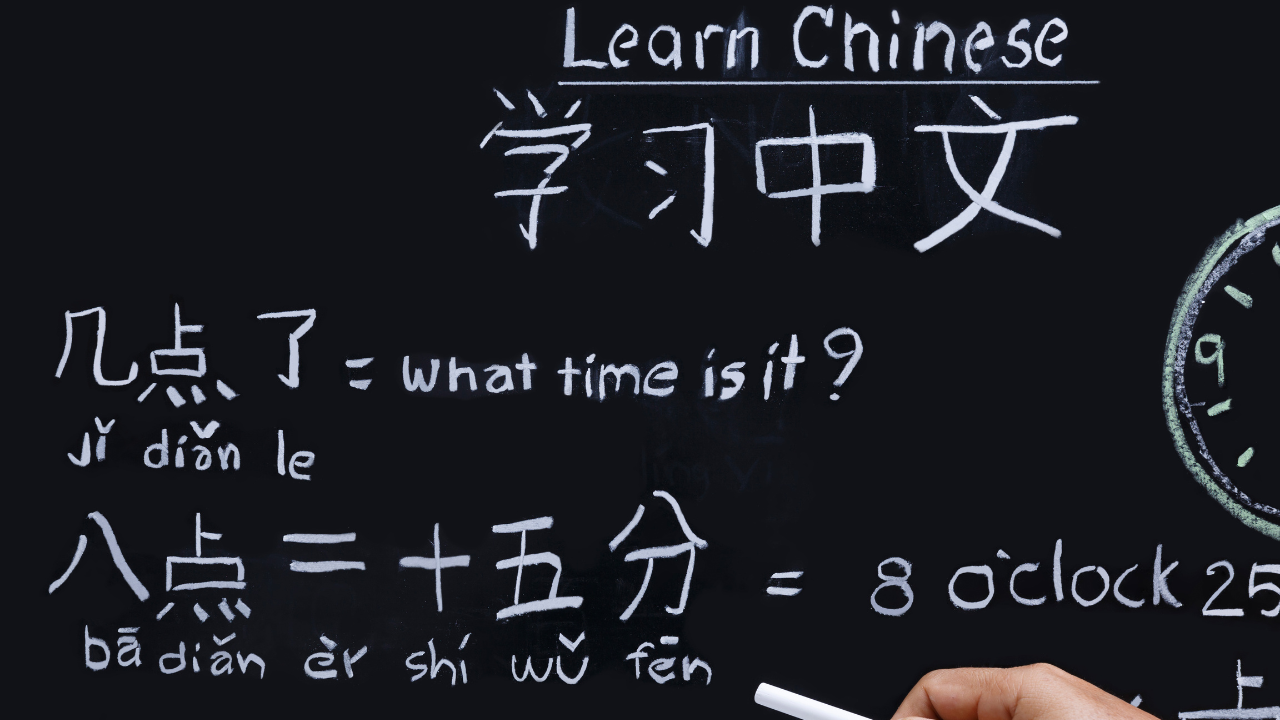
Pinyin is a system that helps Chinese language learners pronounce words using the Roman alphabet.
It’s an essential starting point for any child learning Chinese language as it bridges the gap between how words sound and how they are written in characters.
By learning Pinyin and the four tones, your child will avoid common pronunciation mistakes and develop a strong foundation in speaking and listening, even before tackling Chinese characters.
And here’s the good news: any parent can support this, even without speaking Chinese.
Tip: Use free resources like flashcard apps, online Pinyin games, or YouTube videos to make Pinyin practice fun and interactive.
2. Make Chinese Fun with Music, Rhymes, and TV Shows

Children learn best when having fun, and Chinese language is no exception.
Use the chance to incorporate Chinese songs, nursery rhymes, and age-appropriate cartoons into your child’s routine.
These resources naturally expose your children to rhythm, tone, and sentence structures in a way that’s easy to absorb, making learning feel less like a chore and more like play!
For instance, upbeat children’s songs like “两只老虎” (Liǎng Zhī Lǎo Hǔ – Two Tigers) or shows like “BabyBus” and “Qiao Hu” use simple Chinese and catchy tunes that make it easy for kids to pick up new vocabulary.
Tip: YouTube offers plenty of excellent content, but curate a short playlist in advance so you can easily repeat the best materials.
3. Enjoy Bedtime Storytime in Chinese with Books and Storybooks

Do you engage in nighttime story reading with your children? If so, this is perfect for you!
You don’t need to be fluent to make this work—bilingual books with Pinyin and English translations are a great option.
Alternatively, you can include audiobooks and read-aloud videos, as they help expose children to natural pronunciation, tone, and rhythm.
Used consistently, this simple bedtime habit reinforces language exposure and turns Chinese Language into a positive, relaxing part of your child’s day.
Tip: Create a small collection of beginner-friendly Chinese picture books. Use audiobooks or video read-along to guide pronunciation while you follow the text together.
4. Grow Vocabulary Daily with Flashcards and Word Games
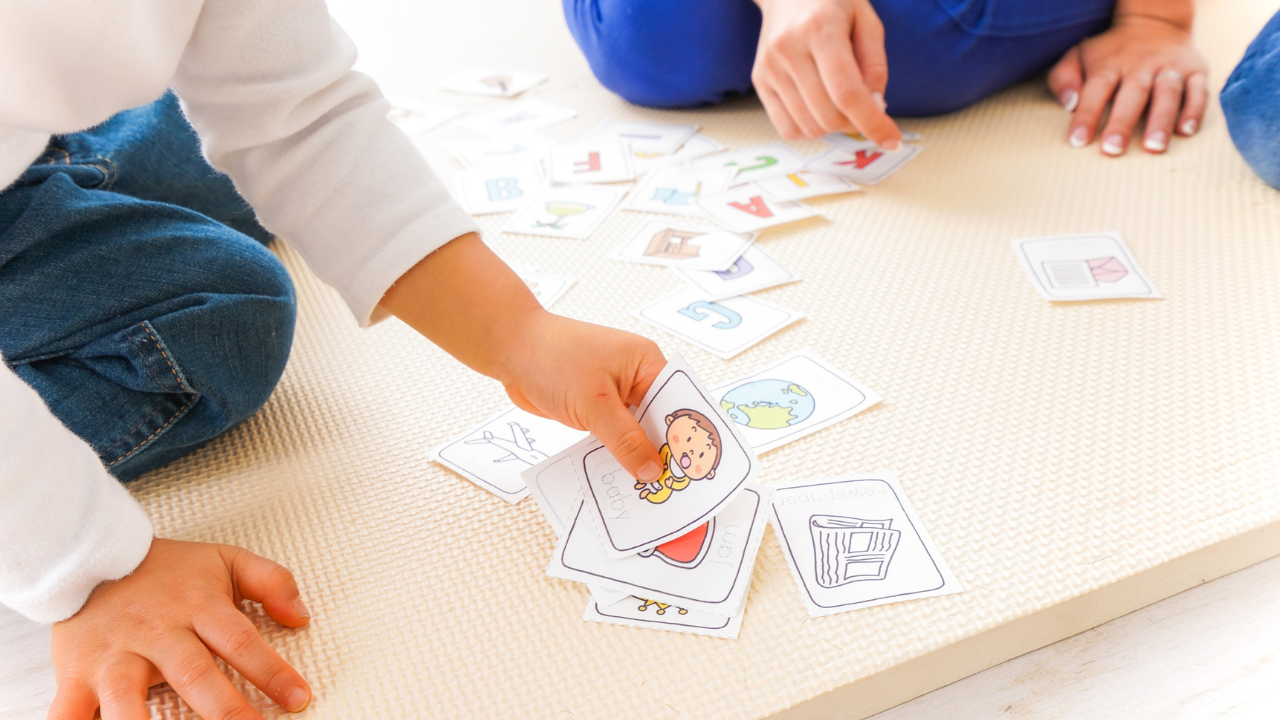
It’s well-known that Chinese has thousands of characters, so how do you help your child build up their vocabulary? Answer: Flashcards.
Flashcards are a simple but powerful tool to help your child memorise words and characters.
Use them daily to reinforce familiar terms and turn review into a game: match words to pictures, guess the word based on its radical, or act it out to reinforce meaning.
What’s more? Turn it into a challenge by setting small, achievable goals—like learning five new words a week. This builds a sense of accomplishment and helps children see their progress, motivating them to keep going.
Tip: Create a “word of the day” corner at home. Introduce one new Chinese word each day, and encourage your child to use it in a sentence at dinner or bedtime.
5. Practice Listening Skills with Simple Conversations

Speaking and listening go hand in hand. The more your child hears and speaks Chinese, the more confident they’ll become — and it doesn’t need to be complicated.
Words like “你好” (nǐ hǎo – hello), “谢谢” (xièxiè – thank you), and “再见” (zàijiàn – goodbye) are a great place to start.
This turns your home into a mini-language lab and helps your child associate words with objects in their environment.
Over time, these small interactions build confidence and familiarity with the language.
Tip: Label common household objects in Chinese—like “门” (mén – door) or “椅子” (yǐzi – chair) to create a language-rich environment.
6. Help Your Child Learn Chinese Characters Step-by-Step

The Chinese writing system may seem complex, but it becomes much more manageable when broken into smaller components called radicals.
This is because many characters are made up of smaller components that give clues about their meaning or pronunciation, so learning these patterns helps children recognise new characters more easily.
Start with simple, high-frequency characters first, like “人” (rén – person), “口” (kǒu – mouth), and “木” (mù – wood), and gradually introduce more complex characters.
Tip: Print basic tracing worksheets or use apps that teach stroke order. Practise writing characters together for 5–10 minutes daily to develop writing skills.
7. Consistency is Key: Daily Mandarin Moments

Consistency is one of the most important factors in learning a language. A little bit every day is far more effective than cramming occasionally.
You don’t need to carve out hours—simply find natural moments during the day to use Chinese language.
Instead, look for natural moments where Chinese can become part of daily life: count apples during snack time, sing a Chinese song on the school run, or practise greetings before bed.
These small, regular touchpoints can help reinforce learning and build confidence over time.
Tip: Set aside 15-20 minutes daily dedicated to Chinese language activities, making it a non-negotiable part of the schedule.
8. Use Apps and Online Resources for Interactive Learning

Given how technology is integral to our daily lives, you should leverage it in your child’s Chinese Language journey.
Explore the apps and websites tailored to make Chinese learning interactive, fun, and accessible—even for families without a Chinese-speaking background.
Check out platforms like Lingokids, Duolingo, and Quizlet, which offer bite-sized lessons reinforcing vocabulary, listening skills, and character recognition.
The best part is that many of these resources offer progress tracking so that you can celebrate small milestones together!
Tip: If your child has learning challenges (such as dyslexia or ADHD), choose apps with multi-sensory features — combining sound, visuals, and movement helps improve engagement and retention.
9. Get Expert Support: MandarinStars’ Chinese Programmes
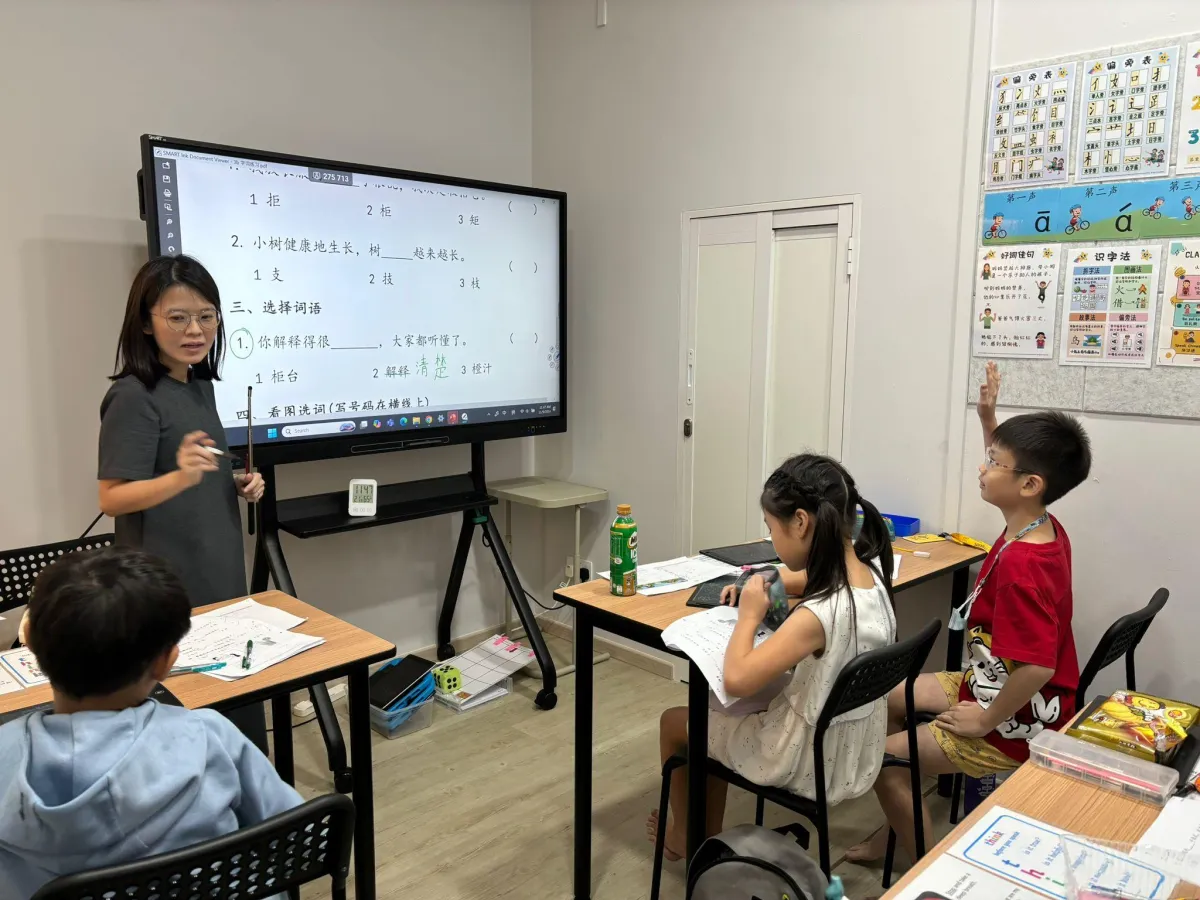
Sometimes, the best way to support your child’s learning is to get professional help.
MandarinStars’ Chinese programmes are designed specifically for primary school children from non-Chinese-speaking households and those with learning differences like dyslexia or ADHD.
Our experienced teachers use engaging, research-backed methods to help children build strong speaking, listening, reading, and writing skills in a supportive and fun environment.
With expert guidance and consistent practice, your child can thrive in Chinese Language and gain confidence that lasts a lifetime.
Your Role as a Parent in Building Confidence
At its core, your involvement is crucial in your child’s Chinese learning journey. Even without fluency, your involvement, encouragement, and consistency are what truly matter.
By showing interest, creating daily habits, and celebrating small wins, you help your child stay motivated and confident. Even simple routines — like reading a Chinese story at bedtime or listening to songs in the car — build lasting exposure and positive learning associations.
Remember, language acquisition is a marathon, not a sprint!
With dedication and the right support, your child can develop strong Chinese language skills, opening doors to cultural understanding and future opportunities.
Ready to Support Your Child’s Mandarin Journey?
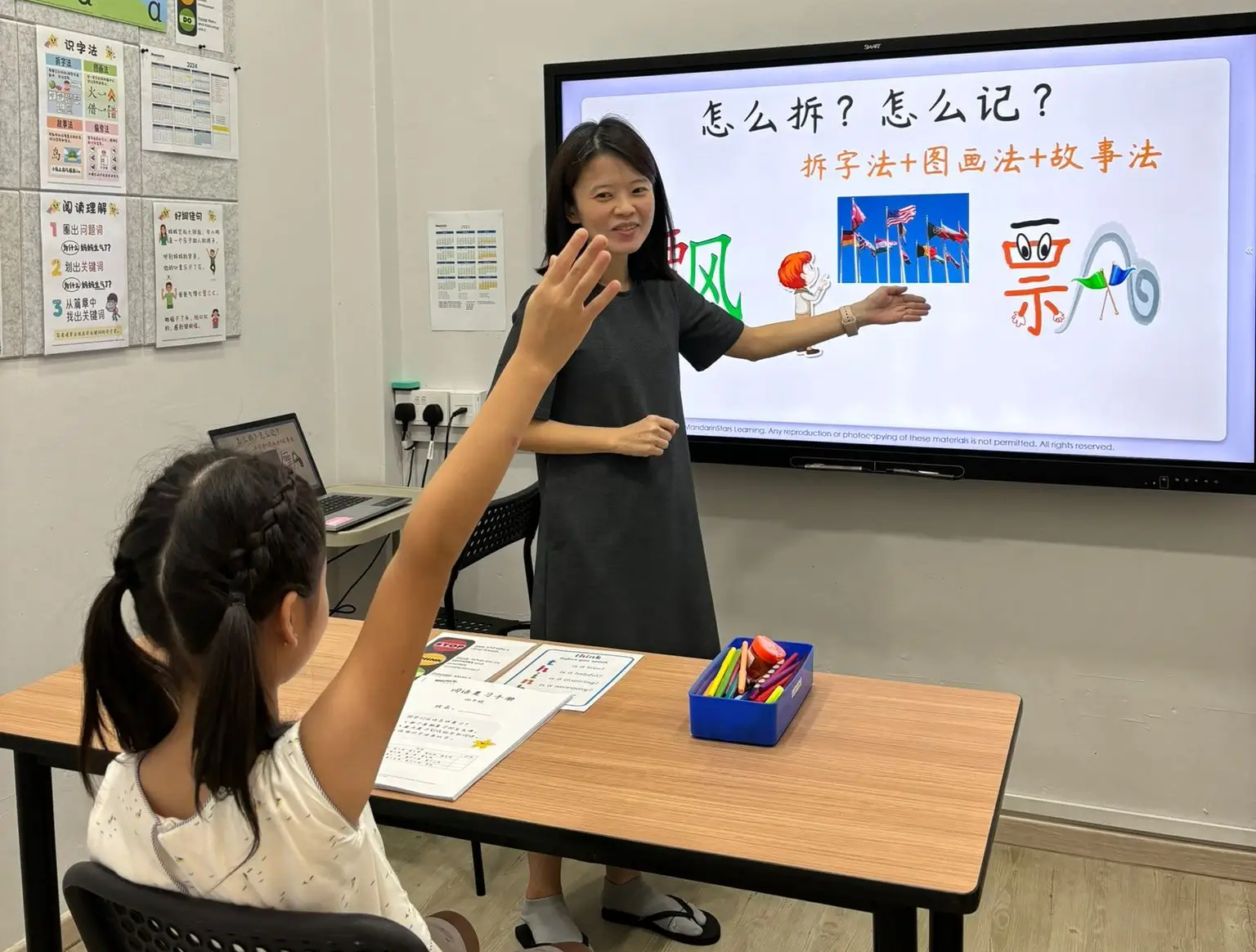
MandarinStars is the right place if you want to enrol your child in an environment where they get the exact help needed to make progress in Chinese.
Our programmes are designed specifically for primary school children from non-Chinese-speaking households and those with learning difficulties.
Here’s what you’ll get in MandarinStars’ programmes:
✅ A proven Chinese tuition programme focused on improvement, not pressure
✅ Structured classes taught by experienced Chinese teachers
✅ Small group tuition (up to 5 students only) for personalised support
✅ Multi-sensory, gamified learning activities that work
✅ Customised support for students with dyslexia, ADHD, or learning challenges
✅ In-person and online options available
✅ Programmes that follow the MOE syllabus closely
✅ A nurturing, results-driven approach that parents trust
With the right guidance and environment, your child can succeed in Chinese Language — and even enjoy the process!
Book a trial class today and take the first step towards empowering your child’s future.

