


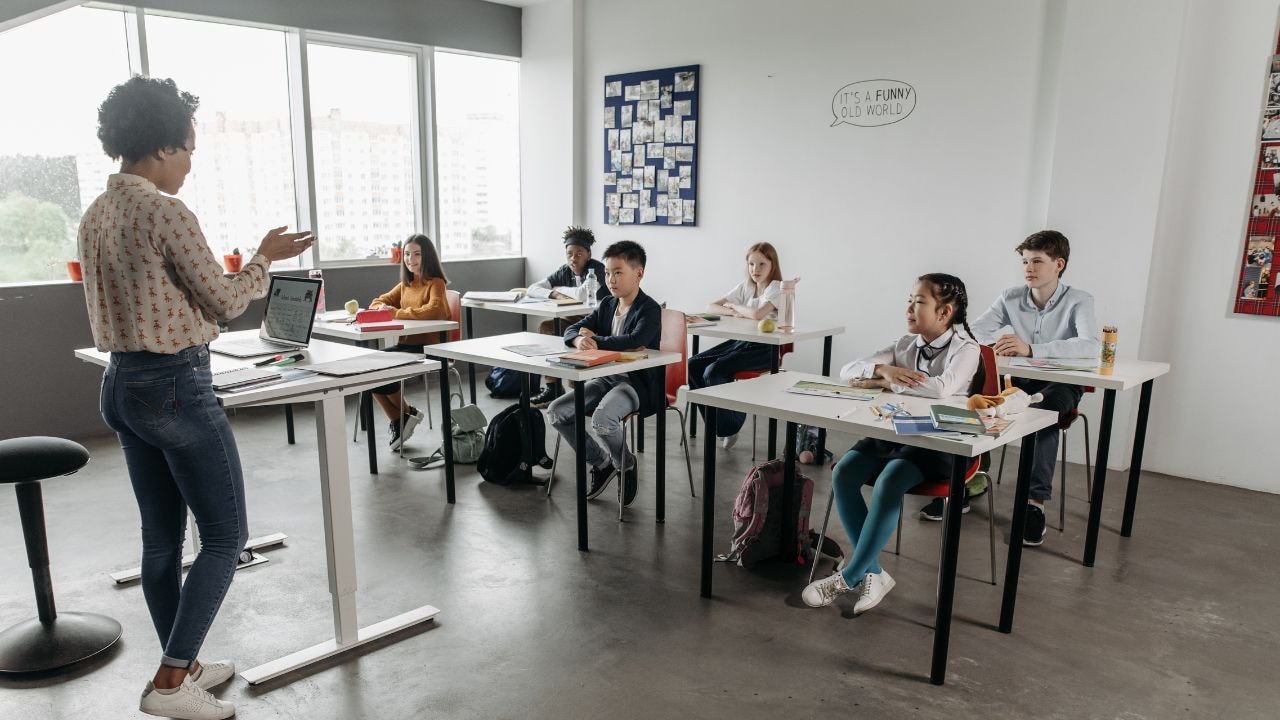
In Singapore’s competitive academic landscape, mastering the Chinese language is more than just a subject—it’s a gateway to the culture and future opportunities.
Yet, many children struggle, especially in large classes where 15–20 new words can be introduced in a single lesson. It’s easy for them to feel overwhelmed, lose confidence, or even develop a dislike for Chinese altogether.
This is where the significance of class size comes into play. For parents looking to give their child the best possible educational support, understanding why class size matters is key.
Smaller class sizes have been shown to offer numerous advantages, particularly when it comes to language-learning contexts.
Let’s explore how class size can impact your child’s Chinese learning journey.
What is the Ideal Class Size for Learning Chinese
Research indicates that smaller class sizes significantly enhance the learning experience, especially when learning a language.
When classes are smaller, students tend to achieve better results and feel more confident in their learning journey.
Whereas, in larger classes—such as those in many public schools with a typical student-teacher ratio of 30–40 students—teachers often struggle to provide individual attention. This makes it harder to offer timely feedback, answer questions, or adapt lessons to different learning paces.
These trade-offs can hinder students’ ability to develop proficiency in the language.
For language learning, an ideal class size is often considered to be between 8–12 students. This size allows teachers to monitor progress closely, give meaningful feedback, and tailor lessons to meet each child’s needs.
It creates a more engaging, responsive, and effective learning environment – exactly what’s needed to help your child succeed!
The Benefits of Small Class Sizes for Learning Chinese

The challenges of larger classes make it clear that a small class size creates a more supportive environment for language learning.
Now, let’s take a closer look at the specific benefits that small class sizes bring to students’ Chinese learning journey:
A More Supportive Learning Environment
In smaller classes, teachers can create a warmer and less intimidating atmosphere where students feel more comfortable to participate, ask questions, and express themselves.
This is so important for language learning—when children feel supported and not afraid to make mistakes, they’re much more likely to speak up, practise new words, and build their confidence.
This environment encourages active engagement and fosters a positive attitude towards learning Chinese.
Plus, teachers can address each student’s specific needs more easily, providing tailored support that enhances learning outcomes.
Better Peer Interactions and Genuine Friendships
Smaller class sizes promote better peer interactions, allowing students to form genuine friend groups and build stronger bonds.
In a class of 2–5 or even 8–12 students, it’s much easier for kids to connect, work together, and help each other learn.
These interactions give students more chances to practise their conversational skills in a natural, supportive setting and build their confidence in using the language.
A close-knit classroom community also contributes to a more enjoyable and effective learning experience.
More Time for Individual Attention
With fewer students, teachers can dedicate more time to focus on each individual’s learning needs.
This personalised attention helps to identify specific areas where a student might be struggling, explains concepts in different ways, and allows for a tailored approach.
Students receive immediate feedback—whether it’s on pronunciation, sentence structure, or comprehension, enabling them to correct mistakes and grasp concepts more quickly.
This individualised approach accelerates class learning and boosts students’ confidence.
Stronger Engagement and Participation
One of the benefits of students in smaller class sizes: it’s much harder to hide at the back of the room!
Students naturally become more involved, contributing to discussions, answering questions, and taking part in activities.
The increase in student participation leads to better retention of information, stronger critical thinking and communication skills, and a deeper understanding of the language.
Plus, when students feel seen and heard, they are more inclined to take initiative and responsibility for their learning.
Better Academic Outcomes
The cumulative effect of a supportive environment, personalised attention, and active learning in smaller classes often leads to stronger academic performance.
Students are more likely to achieve higher grades and develop a stronger grasp of the Chinese language, setting a solid foundation for future academic and professional endeavours.
Beyond grades, the confidence gained in small class settings helps nurture a love for the language, inspiring children to pursue further language studies and explore the culture more deeply.
It’s a holistic development that contributes to long-term success in language proficiency.
Why Enrolling in a Chinese Tuition Centre is a Good Idea

While school-based Chinese classes provide a solid foundation, enrolling your child in a dedicated Chinese tuition centre can offer extra targeted support tailored to their unique learning needs.
Tuition centres often offer smaller class sizes, ensuring that each student receives the attention necessary to thrive.
Moreover, these centres employ experienced educators who utilise effective teaching strategies designed to enhance language acquisition.
The focused environment of a tuition centre allows for consistent practice, immediate feedback, and a curriculum aligned with students’ academic goals.
By supplementing school education with tuition classes, students can reinforce their learning, address specific challenges, build confidence, and strengthen their grasp of the Chinese language.
Give Your Child the Right Support with MandarinStars!

Is your child struggling to keep up in Chinese class, feeling lost in big classrooms, or showing signs of frustration and low confidence?
They’re not alone—and the problem isn’t their potential, it’s the learning environment.
At MandarinStars, we specialise in helping students who feel left behind—those with learning difficulties, slower progress, or simply those who need more support than what typical classes offer.
Our ultra-small classes of just 2–5 students, experienced ex-MOE Chinese teachers and proven, step-by-step methods are designed for children who need more time, more guidance, and a learning pace that suits them.
We don’t just teach; we build confidence, understanding, and skills that last beyond PSLE.
Ready to help your child catch up and thrive in Chinese?
