

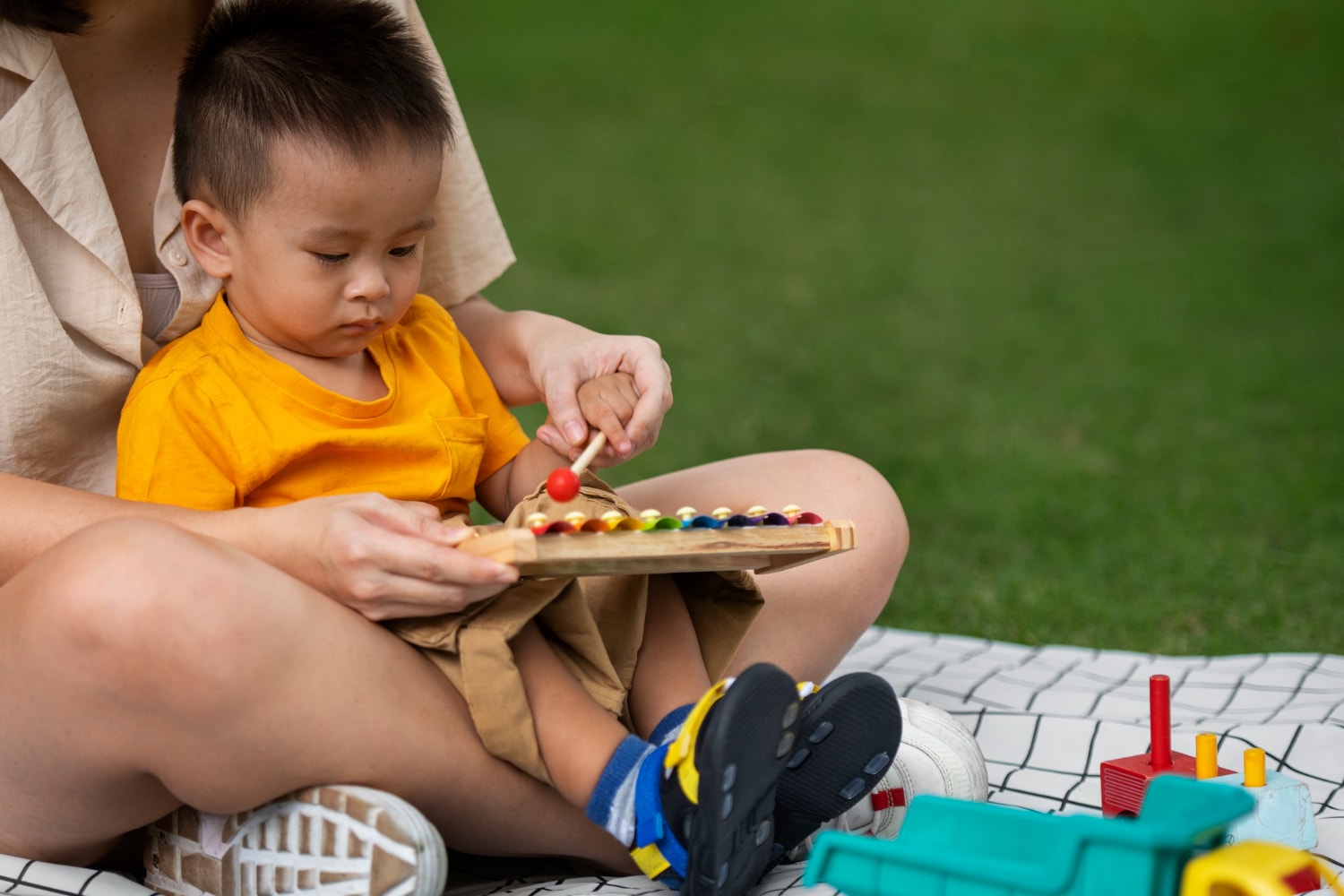
Play isn’t just about fun. It’s also a powerful tool for learning.
If you’ve ever watched your child build a tower, play house, or make up a story with toys, you’ve witnessed learning in action.
This natural curiosity and exploration is what educators call “play-based learning”, and it’s a foundational approach in early childhood education.
But what is play-based learning, exactly? And how can it help your child succeed not just in preschool, but in life as well?
In this article, we’ll explore what play-based learning is and why it matters.
We’ll also look at the key benefits it brings to children’s development and how parents and educators can support the power of play both at home and in the classroom.
What Is Play-Based Learning in Early Childhood?
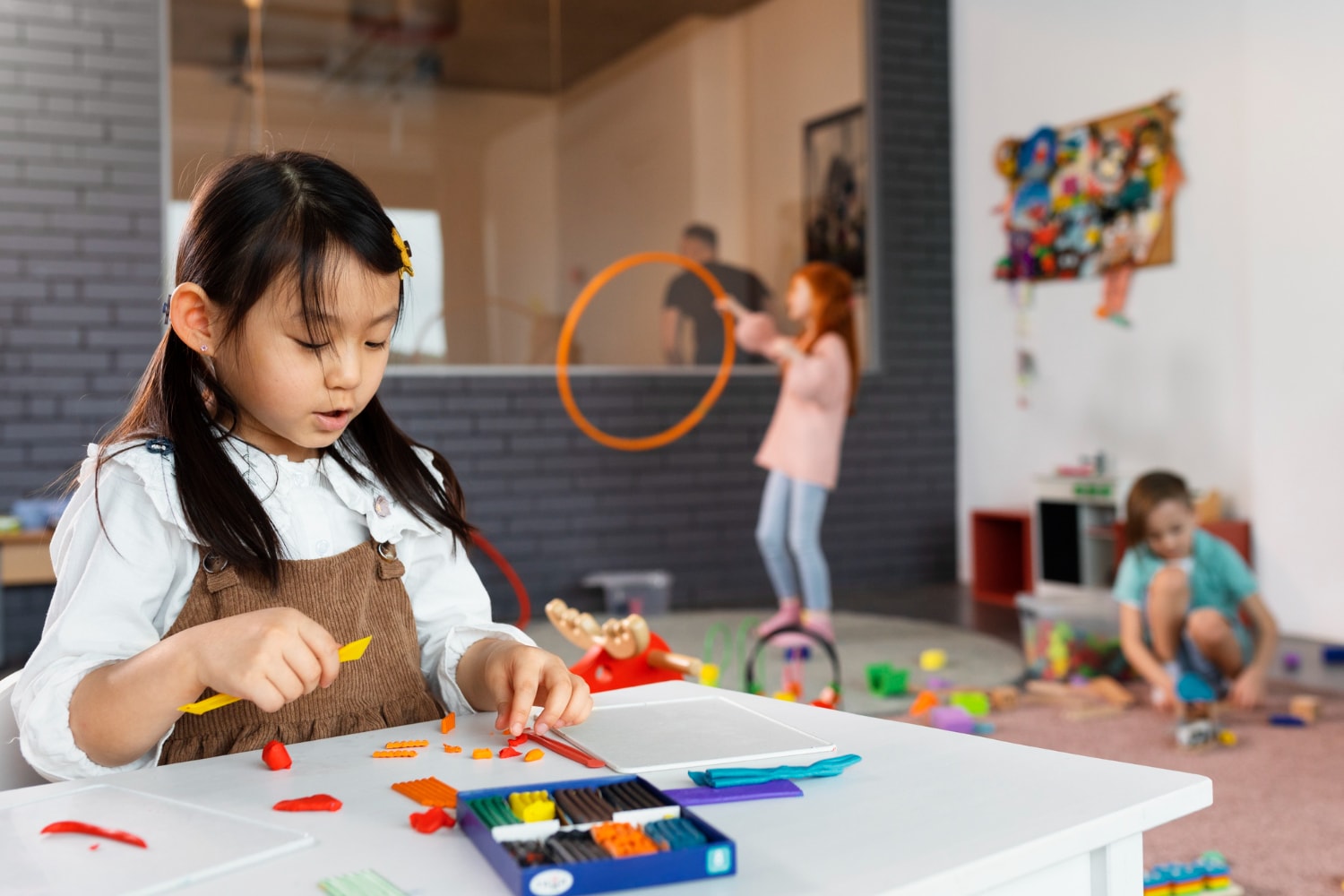
Play-based learning is an educational approach that uses play as a primary vehicle for children to explore, experiment, and understand the world.
It prioritises free play, guided play, and structured activities that foster holistic development.
Unlike rote learning or purely academic instruction, play-based learning is child-centred.
It empowers children to take charge of their own learning experiences while educators and parents provide meaningful guidance and support.
Key Types of Play-Based Learning
Understanding the different types of play-based learning can help parents and teachers recognise the value behind what may appear to be simple activities:
- Free Play: Self-directed, spontaneous, and often imaginative. Children choose what and how to play.
- Guided Play: Adults set up environments or introduce materials, but children take the lead.
- Social Play: Interactions with peers that develop cooperation, empathy, and social skills.
- Physical Play: Activities like climbing, dancing, or running that build motor skills and spatial awareness.
- Constructive Play: Building, drawing, or making things, which enhances creativity and problem solving skills.
- Dramatic Play: Pretend play or role-playing that strengthens language development and emotional expression.
Why Play-Based Learning Is a Game-Changer
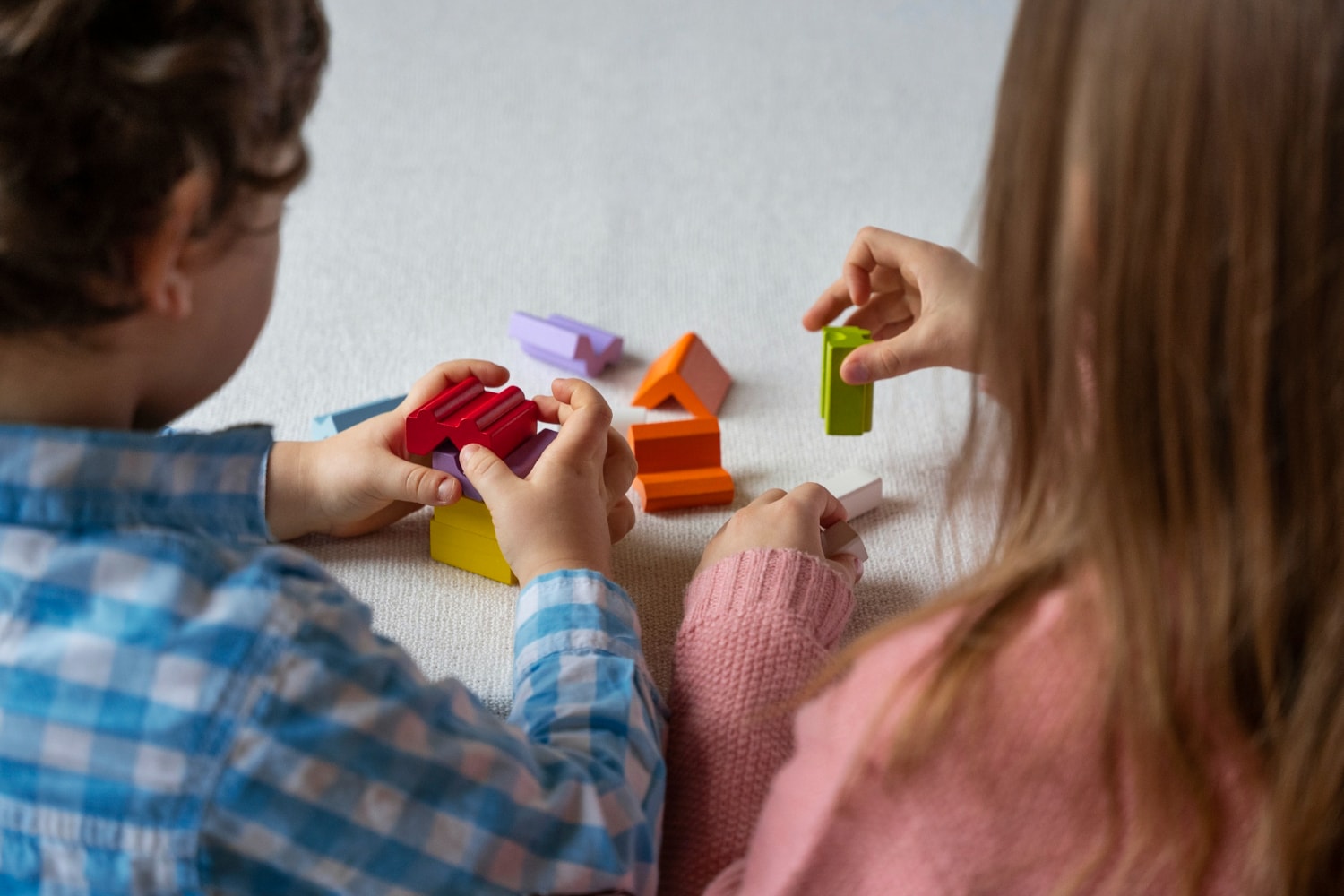
Play-based learning in early childhood education is more than just a fun approach, it’s backed by research and proven to support holistic childhood development.
Here’s why this type of learning is so powerful.
1. Builds Cognitive and Problem-Solving Skills
Children in a play based learning environment are constantly experimenting, asking questions, and discovering cause and effect.
This natural curiosity boosts critical thinking and lays the groundwork for scientific and mathematical understanding.
2. Enhances Language Development
Play encourages children to express their thoughts, negotiate roles, and invent scenarios.
Whether through storytelling, singing, or dramatic play, language is woven into play experiences that support natural communication and vocabulary growth.
Especially in multilingual contexts like Singapore, play-based learning supports language acquisition by embedding vocabulary and communication in meaningful situations.
3. Strengthens Social and Emotional Growth
Through play, children learn to take turns, resolve conflicts, express feelings, and develop empathy.
These social emotional skills are essential not only for school readiness but for lifelong interpersonal success.
4. Develops Fine and Gross Motor Skills
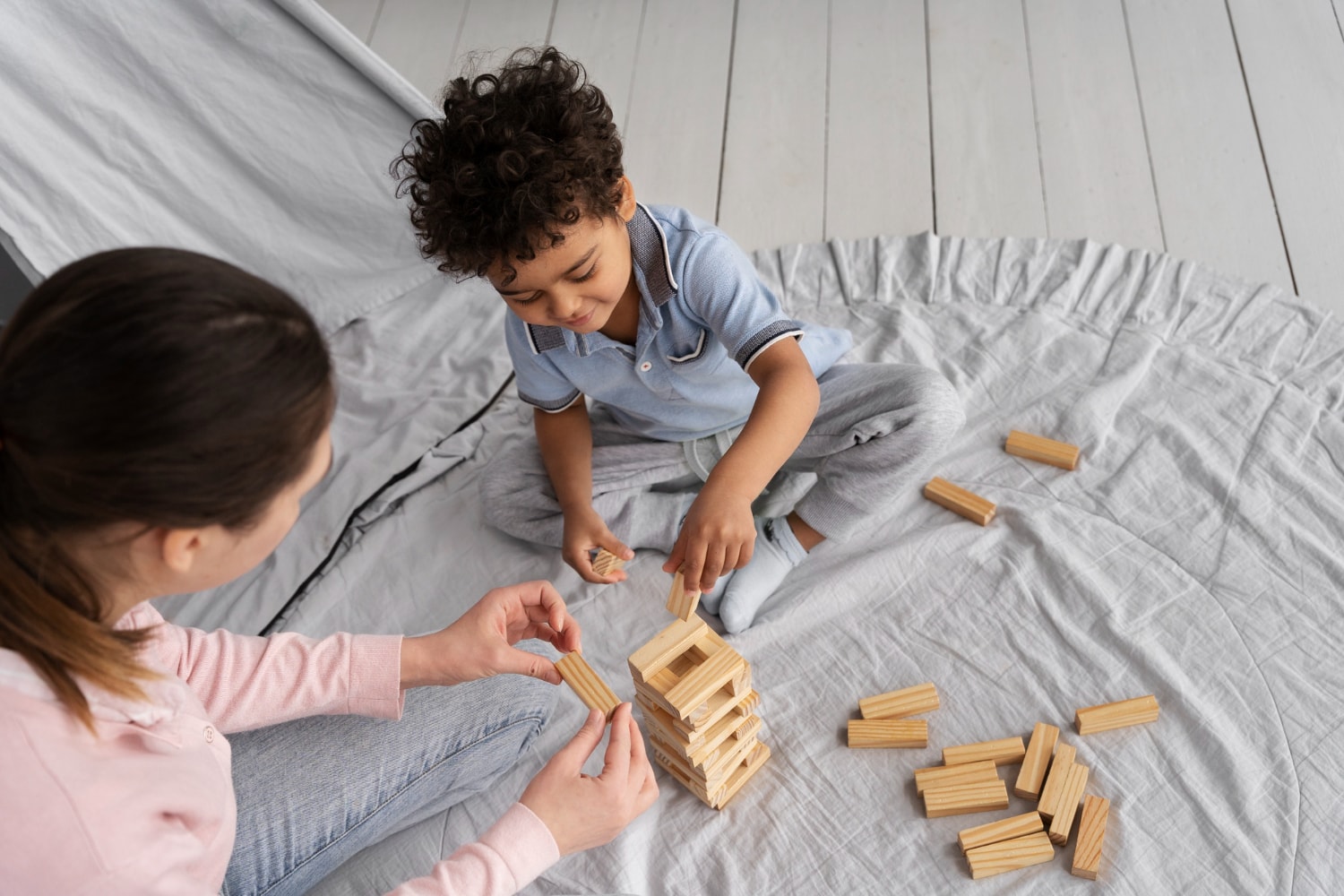
Activities like stacking blocks, cutting paper, or climbing playground equipment refine a child’s physical coordination.
These fine motor skills and gross motor skills are important for writing, self-care, and physical confidence later on the road to academic success.
5. Encourages Creativity and Imagination
A child who turns a box into a spaceship isn’t just keeping themselves entertained.
They’re learning to think abstractly, explore possibilities, and build their own stories.
This type of play builds resilience and cognitive flexibility, skills that contribute to healthier habits and even longer life expectancies later on.
6. Promotes Self-Regulation and Independence
When children are given space to explore and solve problems on their own, they build confidence and self-regulation.
They learn how to manage emotions, stick with tasks, and develop autonomy in their learning approach.
7. Sets the Stage for Lifelong Learning
Perhaps most importantly, play-based learning instils a love of learning.
Children who experience learning as joyful and engaging are more likely to remain curious and motivated throughout their academic journey.
Supporting Play-Based Learning at Home
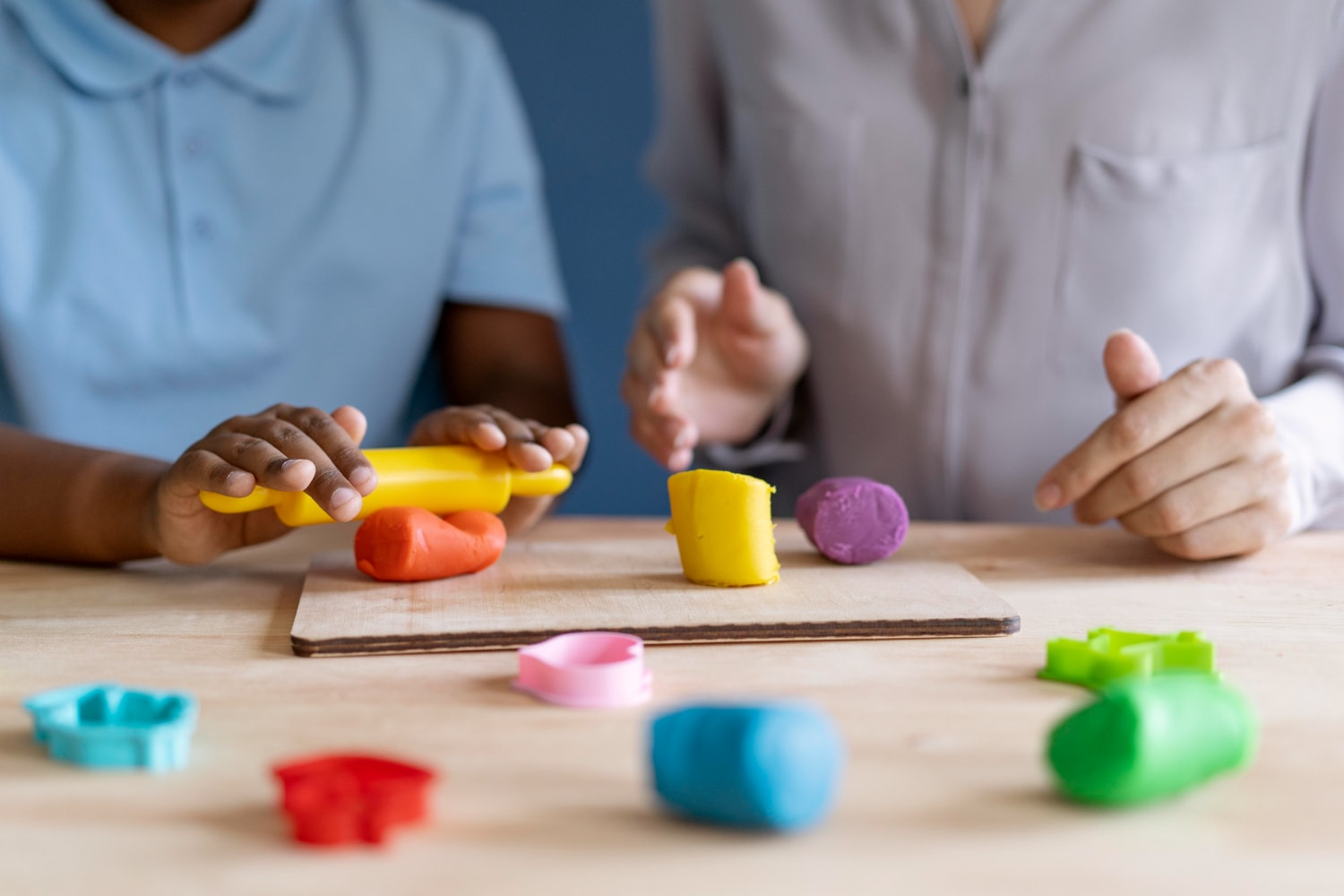
Play doesn’t need to be complicated. With a little intention, home can become a rich environment—because play is one of the most natural ways young children learn.
Set Up a Play-Conducive Space
Designate an area where your child can play safely and freely.
For example a corner stocked with open-ended materials such as blocks, dolls, crayons, books, and everyday objects.
Follow Their Interests
Observe what your child naturally gravitates toward, whether it’s animals, vehicles, or pretend cooking, and use those interests to shape their play.
This makes learning more personal and engaging.
Balance Free Play and Gentle Guidance
Children need both unstructured time and supportive interaction.
You can facilitate by asking questions like, “What happens if we add more water to the sand?” or by joining their imaginary world and encouraging them to extend the play meaningfully.
Avoid Overscheduling
A child’s day should have breathing room. Avoid cramming it with enrichment classes.
Free time is essential for creativity and processing new information.
Supporting Play-Based Learning in Preschool Classrooms
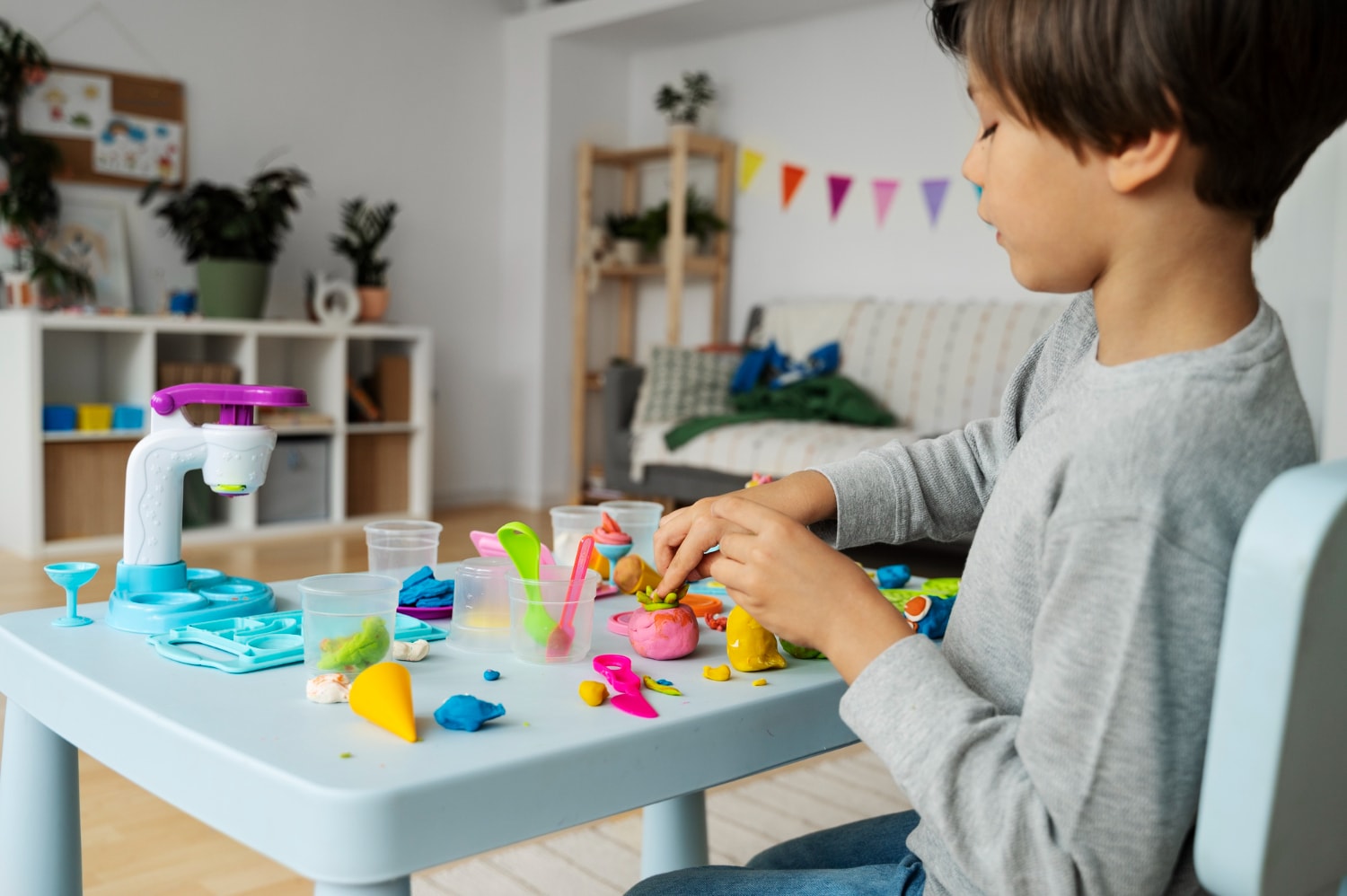
As a parent, you can advocate for a play-based learning environment in your child’s early education setting.
Look for Signs of a Play-Based Programme
In a high-quality preschool classroom, you’ll see children actively engaged in different types of play.
Learning materials should be accessible, and teachers should facilitate rather than direct.
Role of the Early Childhood Educator
The educator’s job is to extend play into deeper learning.
They observe, ask thoughtful questions, and help children connect their play to broader concepts.
In Singapore, where academic achievement is highly valued, it’s important to find programmes that recognise the role of play in preschool education and early childhood.
The best ones balance playful learning with preparation for future academic success.
Real-Life Example: Play-Based Learning and Language Development
Imagine a preschool programme where children learn Mandarin by pretending to shop at a Chinese market.
They take on roles like cashier, customer, or vendor and use Mandarin phrases to communicate throughout the activity.
In this scenario, children are not just memorising vocabulary.
They are learning through play, using the language in real-life situations and enjoying the process.
This is what makes play-based learning so effective for language development.
It turns learning into something meaningful and memorable.
From Play to Proficiency: How MandarinStars Inspires Young Learners
At MandarinStars, we believe children learn best when they are engaged, curious, and joyful.
That’s why our programmes are built around play-based learning principles.
Our immersive Chinese language experiences are carefully designed to harness the benefits of play-based learning.
Through songs, role-play, storytelling, movement, and hands-on activities, students acquire Mandarin naturally and confidently.
From our preschool classroom environments to our after-school sessions, we honour the importance of play in early childhood education while supporting strong academic foundations.
WhatsApp us today to find out how our unique programmes can support your child’s learning journey and build a lifelong love for language and learning.

